













You must be 21+ years of age or older to view this site. If you are under 21 - you must leave.

Variable Voltage 510 Battery – Strio Full Guide
Variable Voltage 510 Battery: The Complete Guide to Voltage Control at Strio
The difference between a basic 510 battery and a variable voltage 510 battery is not merely a feature upgrade — it is a fundamentally different level of control over the vaping experience. Fixed-voltage batteries deliver a predetermined output to every cartridge you attach, regardless of whether that output is optimal for the specific oil formulation, coil type, or draw preference involved. A variable voltage 510 battery gives you the power to change that output — to find the exact voltage that makes your specific cartridge perform at its absolute best for your specific taste.
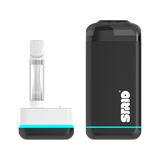
At Strio, the variable voltage 510 battery category spans a range of models that bring different approaches to voltage control — from intuitive twist-adjust mechanisms to button-controlled systems to the unique boost function on the Raven — together creating a lineup that serves every type of user who understands and values voltage management. This guide covers the complete variable voltage 510 battery story, from the physics of why voltage matters to the specific Strio models that execute voltage control most effectively.
Why Voltage Is the Most Important Variable in the 510 Vaping Experience
To understand why a variable voltage 510 battery is such a meaningful upgrade over fixed-voltage alternatives, you need to understand the relationship between voltage and the vaporization process at the cartridge coil. This relationship is direct, significant, and profoundly affects every dimension of the draw experience.
The coil inside a vape cartridge is a resistive heating element — it converts electrical energy into heat by resisting the flow of current. The amount of heat it generates is a function of the voltage applied and the coil's resistance, governed by the fundamental electrical relationship described by Ohm's law. Higher voltage means more heat, which means faster and more complete vaporization of the oil in the cartridge. Lower voltage means less heat, which means slower, more gentle vaporization.
The oil in a vape cartridge has an optimal vaporization temperature range — a window within which it produces the best combination of vapor volume, flavor expression, and active compound delivery. Below this window, the oil vaporizes incompletely, producing thin, unsatisfying draws. Above it, the oil can degrade — terpenes burn off, flavor becomes harsh or synthetic, and the overall quality of the hit declines noticeably. A variable voltage 510 battery allows you to find and maintain the voltage that keeps your specific cartridge's coil within its optimal thermal window.
How Different Cartridge Types Respond to Voltage Variation
Different cartridge types and oil formulations have meaningfully different optimal voltage ranges, which is the core practical reason why a variable voltage 510 battery offers such significant advantages over fixed-voltage alternatives.
Cannabis oil cartridges with high terpene content — live resin carts, full-spectrum extracts — are among the most voltage-sensitive. Terpenes, the aromatic compounds responsible for the distinctive flavor profiles of different cannabis strains, have relatively low vaporization points and begin to degrade at temperatures achievable by voltages above approximately 3.4V to 3.6V. Using a fixed-voltage battery at 3.8V or above with these cartridges produces a noticeably less flavorful, harsher experience compared to using a variable voltage 510 battery set to a lower output.
Thick distillate cartridges, by contrast, often require higher voltages to vaporize adequately. Distillate oil is highly viscous and has a higher vaporization point than more complex oil formulations. At low voltage settings, distillate cartridges produce thin, unsatisfying vapor that doesn't represent the cartridge's actual capability. Setting a variable voltage 510 battery to 3.8V or above with a distillate cartridge produces the robust, satisfying hit that this type of cartridge is designed to deliver.
CBD oil cartridges occupy a similar voltage range to distillate cannabis cartridges — typically performing best between 3.6V and 4.0V — but some formulations with added terpenes benefit from the lower end of this range for flavor preservation. The variable voltage 510 battery at Strio gives CBD cartridge users the same voltage flexibility that cannabis cartridge users value.
Strio's Variable Voltage 510 Battery Range: A Model-by-Model Comparison
The variable voltage 510 battery range at Strio includes several distinct approaches to voltage control, each of which serves different user preferences and usage patterns. Understanding the specific voltage control mechanism of each model helps you identify the approach that best suits the way you want to manage your sessions.
The Top Twist 650mAh 510 Battery at $14.99 is the most accessible entry point in the variable voltage 510 battery category at Strio. Its twist-style adjustment rotates the base of the device to cycle through low, medium, and high voltage presets — a simple, physical, intuitive mechanism that requires no instruction to figure out. The compactness of the Top Twist places it firmly in the compact 510 battery pocket vape category as well as the variable voltage category, making it the most versatile option at the entry-level price point.
The Bottom Twist 1100mAh 510 Battery at $21.99 takes the same twist-adjust mechanism and applies it to a higher-capacity form factor — seven color options, larger battery cell, and the same intuitive twist control that makes the Top Twist so accessible. The Bottom Twist's higher capacity makes it the variable voltage 510 battery recommendation for users who want voltage control without ever worrying about battery level during a day of regular use.
The Raven 510 Battery: The Most Sophisticated Variable Voltage 510 Battery at Strio
The Raven 510 Battery at $24.99 represents the most sophisticated approach to variable voltage in the accessible tier of the Strio lineup. It brings together three distinct control features that together create a voltage management system more flexible and capable than any other model in its price range.
The base voltage setting on the Raven is adjustable through its voltage control mechanism, providing the standard range of output adjustment that any variable voltage 510 battery delivers. This base setting handles standard sessions where you want consistent voltage output across all your draws.
The button-activated boost function on the Raven adds a second layer of voltage control that is genuinely innovative in this product category. By pressing the fire button during a draw, users can apply a momentary higher-power pulse that increases vapor production and hit intensity for that specific draw without changing the base voltage setting. This means you can have a standard session with consistent moderate output and selectively boost individual draws when you want a more assertive hit — a level of session control that fixed-voltage and standard variable voltage batteries simply cannot offer.
The cartridge lock mechanism on the Raven provides the physical stability that ensures the variable voltage 510 battery connection remains consistent regardless of activity or carry position. When the voltage setting and the cartridge connection are both stable, the draw experience is repeatable and predictable in a way that makes the voltage adjustment capability genuinely useful — you know that the 3.6V setting you dialed in yesterday will produce the same experience today because the cartridge connection is locked in the same position.

The Cartbox Pro 2g: Premium Variable Voltage 510 Battery Performance
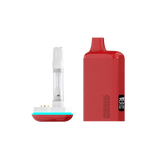
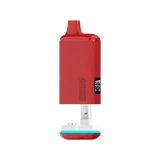
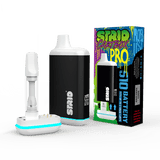
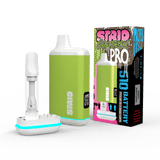
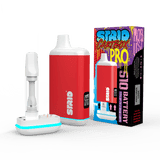
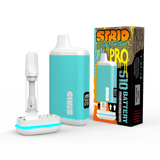
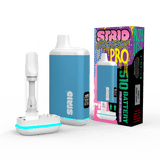
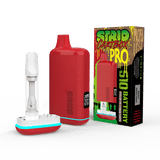
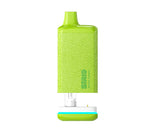
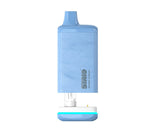
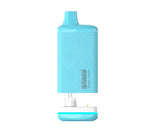
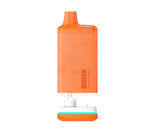
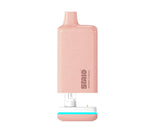
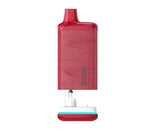
The Cartbox Pro 2g 510 Battery at $51.99 brings the highest level of voltage control capability in the Strio variable voltage 510 battery lineup together with the highest color variety and premium build quality that makes it the flagship of the Strio 510 range.
The voltage control on the Cartbox Pro 2g provides the most precise adjustment capability in the Strio lineup, allowing users to find specific output levels that go beyond the broad low-medium-high presets of the twist-adjust models. This precision is the feature that most clearly distinguishes the Cartbox Pro 2g as the variable voltage 510 battery recommendation for experienced, discerning users who know exactly what voltage their preferred cartridges perform best at and want to set and maintain that output with confidence.
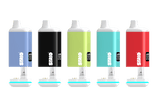
The ten color options of the Cartbox Pro 2g make it the Strio model with the widest aesthetic range, while the 2g capacity ensures that its voltage management features are available throughout extended daily use without interruption. For the adult user who takes their cartridge vaping experience seriously and wants both the technical performance of the best variable voltage 510 battery and the aesthetic quality of Strio's design approach, the Cartbox Pro 2g is the definitive recommendation.
Finding Your Optimal Voltage Settings With a Strio Variable Voltage Battery
The practical process of finding your optimal voltage settings with a variable voltage 510 battery from Strio is one of the most rewarding aspects of owning these devices. It transforms the vaping experience from something you accept to something you actively optimize, and the improvement in session quality that results from finding the right settings for your specific cartridges is immediately and consistently noticeable.
Begin every new cartridge on your variable voltage 510 battery at the lowest voltage setting available. Take a single draw and evaluate the result. If the vapor is thin or the flavor is muted, the voltage is below the optimal range for this cartridge — increase by one step and retest. Continue increasing until the vapor has satisfying density and the flavor is full and accurate.
When you increase voltage and the draw starts to feel warmer or the flavor gains an edge of harshness that wasn't present at lower settings, you've gone past the optimal range. Back off one voltage step — the previous setting where the draw was satisfying without harshness is your optimal setting for that cartridge. Record this mentally or physically for future reference, so subsequent sessions with the same cartridge type start immediately at the optimal voltage rather than requiring the discovery process again.
Variable Voltage 510 Battery Maintenance for Consistent Performance
The voltage control mechanisms on Strio's variable voltage 510 battery devices require the same general maintenance as standard 510 batteries with one additional consideration — keeping the adjustment mechanism clean and functional over time.
For twist-adjust models like the Top Twist and Bottom Twist, the twist joint where the rotating base meets the body of the device should be kept clean and free of oil or debris that can accumulate in the joint over time. A cotton swab with a small amount of isopropyl alcohol, used carefully around the joint area, removes buildup that can make the twist action stiff or imprecise. Avoid getting alcohol inside the device body through the joint — external cleaning is the target.
For button-equipped models like the Raven and Cartbox Pro, the area around the fire button should be kept clean to prevent button sticking or false activation from debris. The same cotton swab technique works here — a lightly moistened swab around the button perimeter removes the surface residue that can accumulate with regular handling.
Frequently Asked Questions About Variable Voltage 510 Battery
What voltage range do most Strio variable voltage 510 battery models cover?
Strio's variable voltage 510 battery models typically cover a range from approximately 3.0V to 4.2V, which encompasses the optimal operating range for the vast majority of vape cartridges available in the US market. Specific voltage ranges vary by model — check individual product listings at strio.com for precise specifications.
Is a variable voltage 510 battery better for battery life than a fixed voltage model?
In some cases yes. When a fixed-voltage battery operates above the optimal voltage for a specific cartridge, it converts excess energy to heat rather than useful vaporization. A variable voltage 510 battery set to the minimal effective voltage for a cartridge uses energy more efficiently, which can extend the time between charges compared to a higher fixed-voltage alternative.
Can I damage my cartridge by using too high a voltage on my variable voltage 510 battery?
Yes. Sustained use at voltages above the cartridge's optimal range degrades the coil, can cause the oil to burn rather than vaporize, and reduces the overall lifespan of the cartridge. The variable voltage 510 battery from Strio allows you to avoid this damage by optimizing to the appropriate voltage range for each cartridge type.
How does the Raven's boost function work differently from standard voltage adjustment on a variable voltage 510 battery?
Standard voltage adjustment on a variable voltage 510 battery changes the base output level for all draws. The Raven's boost function applies a momentary higher-power pulse to individual draws without changing the base setting — giving you normal output for standard draws and the option for more assertive individual draws without committing to a higher overall voltage setting.
Which Strio variable voltage 510 battery is best for someone with multiple cartridge types?
The Cartbox Pro 2g is the best variable voltage 510 battery recommendation for users who rotate between multiple cartridge types, because its precise voltage control allows accurate setting to the optimal output for each cartridge type. The Raven's boost function is also valuable in this context for its ability to adjust individual draw intensity without changing the base setting.