












You must be 21+ years of age or older to view this site. If you are under 21 - you must leave.

Vape Pen Charger Guide: Types, Tips & Buying Advice | Strio
Vape Pen Charger: A Complete Guide to Choosing and Using the Right One
A reliable vape pen charger is one of the most overlooked yet essential accessories in any vaping setup. Without the correct charger, even the best-designed vape pen becomes useless once its battery runs low. This guide covers everything you need to know about vape pen chargers, including the different types available, how to choose the right one for your specific device, and how to charge safely to protect both your battery and your overall investment.
Why the Right Vape Pen Charger Matters
It might be tempting to assume any charger with a compatible connector will work just as well as another, but charger quality actually has a significant impact on both charging speed and long-term battery health. A poorly designed or incompatible charger can deliver inconsistent voltage, charge inefficiently, or in some cases, contribute to premature battery degradation. Understanding what makes a charger reliable helps protect your device and ensures consistent performance over time.
Common Types of Vape Pen Chargers
Vape pen chargers come in several different formats, each suited to different device designs and user preferences.
USB Cable Chargers
The most common type of vape pen charger uses a USB cable, typically with either a Micro USB or USB-C connector on the device end and a standard USB-A or USB-C connector on the other end for plugging into a wall adapter, computer, or power bank. USB-C has become increasingly standard across newer devices due to its faster charging speeds and more durable, reversible connector design.
Magnetic Chargers
Some vape pens, particularly slim pod-style or pocket-friendly devices, use magnetic charging connectors that snap into place automatically rather than requiring a cable to be plugged into a small port. This design can reduce wear on the charging port over time since there is no repeated plugging and unplugging of a cable directly into the device.
Dock or Cradle Chargers
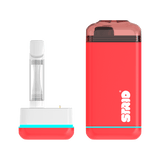
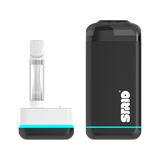
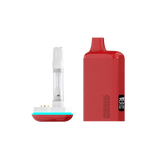
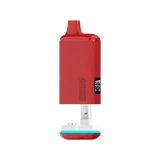
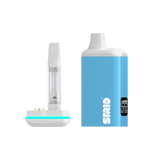
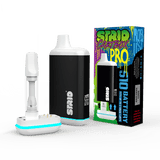
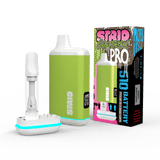
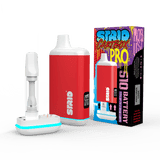
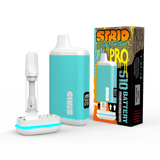
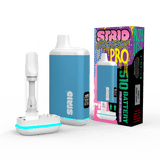
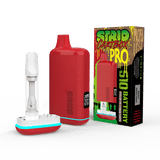
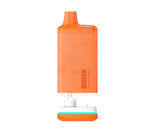
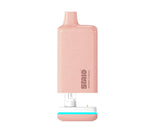
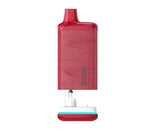
Certain devices, especially those with a more premium design, use a dock or cradle style charger where the entire vape pen sits inside a charging base rather than connecting via a cable directly to the device. This style is often considered more convenient for daily use, since simply placing the device in its dock each night eliminates the need to align a small connector.
Wireless Chargers
A smaller number of vape pens support wireless charging through induction technology, similar to wireless charging pads used for smartphones. While less common in the vaping world, this option offers a cable-free charging experience for compatible devices.
How to Choose the Right Charger for Your Device
Selecting an appropriate vape pen charger comes down to matching connector type, voltage output, and overall build quality to your specific device's requirements.
Matching Connector Type
Before purchasing a replacement or spare charger, confirm exactly which connector type your specific vape pen uses. Using an incompatible connector, even if it seems to physically fit, can sometimes result in improper charging or, in some cases, damage to the charging port over time.
Checking Voltage and Current Output
Chargers vary in their voltage and current output, which directly affects charging speed and, to some extent, battery longevity. Using a charger with significantly higher output than your device is designed for can, in some cases, stress the internal battery, while a charger with too little output may charge inefficiently or fail to charge the device at all. Checking your device's manufacturer specifications before selecting a charger helps avoid this mismatch.
Considering Build Quality
Cheap, unbranded chargers sometimes cut corners on internal safety features like short-circuit protection or overcharge prevention. Choosing a charger from a reputable source reduces this risk considerably. Our broader guide on cart battery price discusses how quality components, including chargers, tend to correlate with overall device reliability and price.
Safe Charging Practices for Vape Pens
Beyond simply choosing the right charger, following safe charging habits protects both your device and your battery's long-term health.
Avoid Leaving Devices Charging Unattended for Long Periods
While many modern vape pens include automatic shutoff features once a full charge is reached, it is still good practice to avoid leaving a device charging unattended for extended periods, particularly overnight on a regular basis. This simple habit reduces unnecessary strain on the battery and minimizes any small risk associated with prolonged charging.
Charge on a Safe, Flat Surface
Charging your vape pen on a hard, non-flammable surface, away from bedding, curtains, or other flammable materials, is a simple precaution that meaningfully reduces risk. Avoid charging directly on soft furniture where heat could potentially build up around the device.

Monitor for Unusual Heat During Charging
If your device or charger becomes noticeably hot during charging, unplug it and allow everything to cool before attempting to charge again. Persistent overheating during charging can indicate a problem with either the battery or the charger itself. Our detailed guide on vape battery safety covers additional safety practices that apply directly to the charging process.
Avoid Using Damaged Cables or Chargers
A charging cable with visible fraying, exposed wiring, or a damaged connector should be replaced immediately rather than continuing to be used. Damaged charging equipment poses a meaningfully higher risk of malfunction compared to a cable in good condition.
Troubleshooting Common Vape Pen Charger Issues
Occasionally, a vape pen may fail to charge properly, and understanding common causes can help you resolve the issue without unnecessary frustration.
Device Not Charging at All
If your vape pen shows no response when connected to its charger, first try a different, known-working cable to rule out a faulty cord. If the device still does not respond, check the charging port for visible debris or lint, which can sometimes prevent a proper connection.
Slow or Inconsistent Charging
Slow charging can result from using a lower-output charger than the device is designed for, or from a partially obstructed charging port. Cleaning the port gently with a dry cotton swab and confirming you are using an appropriate charger typically resolves this issue.
Charger Feels Hot During Use
A charger that becomes excessively hot during normal use should be unplugged and inspected for damage. If the issue persists even with a different device connected, the charger itself may be faulty and should be replaced rather than continuing to be used.
Device Charges But Battery Life Seems Reduced
If your device appears to charge normally but does not hold a charge as long as it used to, this often points toward natural battery degradation over time rather than a charger issue. Our guide on 510 battery not working covers a broader range of battery-related troubleshooting steps that may help clarify whether the issue lies with the battery itself.
Choosing a Portable Charging Solution for Travel
For anyone who frequently vapes away from home, having a reliable portable charging option can make a significant difference in day-to-day convenience.
Power Bank Compatibility
Many vape pen chargers are compatible with standard USB power banks, allowing you to recharge your device on the go without needing access to a wall outlet. Confirming that your charger and power bank use matching connector types ensures a smooth charging experience while traveling.
Compact Chargers for On-the-Go Use
Slim, lightweight chargers designed specifically for travel can be a worthwhile addition to your kit if you frequently find yourself away from a reliable power source. Pairing a compact charger with a small, portable device, such as those covered in our guide to the best pocket vape options, creates a convenient, fully mobile setup.
Extending the Life of Your Vape Pen Charger
A few simple habits can help your charger last significantly longer and continue performing reliably.
Store Cables Properly
Avoid tightly wrapping charging cables around small objects or bending them at sharp angles, since this can gradually damage the internal wiring. Loosely coiling a cable when not in use helps prevent this kind of wear.
Keep Connectors Clean
Periodically wiping down both the charger's connector and your device's charging port helps prevent debris buildup that can interfere with a solid connection over time.
Avoid Excessive Heat Exposure
Storing chargers away from direct sunlight or excessively hot environments helps preserve the internal components and overall lifespan of the cable and adapter.
Where to Find a Reliable Vape Pen Charger
Sourcing your charger from a retailer that prioritizes quality and safety testing gives you added confidence that your device is being charged properly and safely. Browse the current selection of vape pen chargers and accessories at Strio to find a reliable option compatible with your specific device.
Final Thoughts on Choosing a Vape Pen Charger
A quality vape pen charger is a small but essential part of any vaping setup, directly affecting both charging speed and long-term battery health. By matching connector type and voltage output to your specific device, prioritizing safe charging habits, and choosing a charger from a reputable source, you can keep your device performing reliably for the long haul. Visit Strio to explore a curated selection of chargers built for safety and performance.
Frequently Asked Questions
Can I use a phone charger to charge my vape pen?
It depends on the connector type and voltage output. Many devices use standard USB-C charging, but it is always safest to use the charger recommended by the manufacturer or a verified compatible alternative rather than assuming any phone charger will work correctly.
How long does it typically take to fully charge a vape pen?
Charging times vary based on battery capacity and charger output, but most vape pens fully charge within one to two hours using an appropriate charger.
What should I do if my vape pen charger stops working?
First test with a different cable or power source to rule out a simple compatibility issue. If the charger still does not work, replacing it with a compatible, reputable option is generally the safest solution.
Is it safe to charge my vape pen overnight?
While many devices include automatic shutoff protection, it is generally best practice to avoid leaving any device charging unattended for extended periods, including overnight, to minimize unnecessary risk.
Why does my vape pen charge slower than it used to?
This can result from a degrading battery, a lower-output charger than originally used, or debris buildup in the charging port. Cleaning the port and confirming charger compatibility are good first troubleshooting steps.