































You must be 21+ years of age or older to view this site. If you are under 21 - you must leave.

Strio Battery User Manual: Complete Guide for USA
Strio Battery User Manual: Comprehensive Guide for USA Customers
Batteries are the backbone of modern devices, and knowing how to use them safely and efficiently is crucial. The Strio Battery has become a trusted power source for many users across the USA due to its reliability, performance, and safety features. This user manual provides detailed guidance on operating, maintaining, and troubleshooting your Strio Battery to ensure long-lasting performance and safe usage.
Introduction to Strio Battery
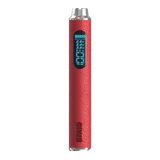
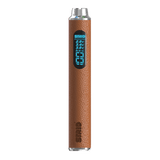
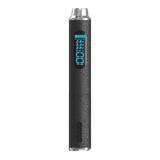
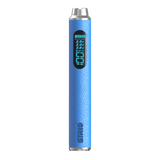
The Strio Battery is designed to provide high-capacity, reliable power for a wide range of devices. Whether it’s for personal electronics, power tools, or portable equipment, the battery delivers consistent energy output and is built to meet strict safety standards. Understanding the features and proper usage of your Strio Battery is essential to maximize its lifespan and ensure user safety.
Strio has engineered this battery with advanced chemistry and smart technology that prevents overcharging, overheating, and short-circuiting. For USA customers, this means compliance with local safety regulations and reliable performance across different climates and usage conditions.
Safety Guidelines for Using Strio Battery
Safety is the foremost consideration when handling batteries. The Strio Battery comes with multiple safety mechanisms, but users should always follow key guidelines.
Handling and Storage
Always handle the battery with clean, dry hands. Avoid exposing it to water or extreme temperatures. When not in use, store the battery in a cool, dry place away from direct sunlight. Improper storage can reduce battery efficiency and increase the risk of damage.
Charging Safety
Use only the approved Strio charger. Avoid using third-party chargers that are not certified for the battery, as this can cause overheating or permanent damage. Charge the battery on a non-flammable surface and never leave it unattended while charging.
Avoiding Short Circuits
Do not expose the battery terminals to metal objects. Short-circuiting can lead to overheating, fire, or permanent damage. Always keep the battery in its protective casing when transporting.
Temperature Considerations
Strio Battery is designed to operate efficiently across a wide range of temperatures, but extreme heat or cold can affect performance. Operating outside the recommended temperature range may shorten the battery’s lifespan or reduce its capacity temporarily.
Installing Your Strio Battery
Installing the Strio Battery is straightforward, but following the correct procedure ensures optimal performance and safety.
First, check that your device is compatible with the battery model. Align the battery terminals with the device connectors carefully and avoid forcing it into place. A properly seated battery will click or lock into position securely.
After installation, power on the device and verify that the battery indicator shows proper charge levels. This confirms that the battery is correctly installed and functioning.
Charging and Maintenance Tips
Proper charging and maintenance are key to prolonging battery life. Strio Battery includes smart technology that regulates charging cycles to prevent overcharging.
For daily use, charge the battery before it is fully depleted rather than allowing it to reach zero percent. This maintains the chemical stability of the battery and extends its overall lifespan. Avoid frequent deep discharges, which can strain the battery and reduce capacity over time.
Routine maintenance includes keeping the terminals clean and free of dust or debris. Wipe the contacts gently with a dry cloth to ensure consistent connectivity. Never use abrasive materials or liquids on the battery.
Optimizing Battery Performance
The Strio Battery is built for efficiency, but users can take extra steps to optimize performance.
Monitor energy consumption of your devices to identify apps or equipment that drain power rapidly. Reduce unnecessary background activity and enable power-saving modes where possible. For extended storage, ensure the battery is partially charged to around 50% to maintain chemical balance and prevent degradation.
Software updates from Strio may also improve battery management. Check for device firmware updates that can enhance performance and ensure compatibility with the latest features.
Troubleshooting Common Issues
Even high-quality batteries can encounter issues, but most problems can be resolved quickly.
Battery Not Charging
If your Strio Battery does not charge, first check the charger and cable for damage. Ensure the battery terminals and charger contacts are clean. Try charging in a different outlet to rule out power source issues.
Rapid Discharge
If the battery drains quickly, it may be due to excessive device load or background applications consuming power. Reducing usage and adjusting settings can improve battery life.
Overheating
Overheating can occur if the battery is used in high-temperature environments or during intensive device operation. Allow the battery to cool and avoid operating devices on direct heat sources. If overheating persists, discontinue use and contact Strio customer support.
Long-Term Care for Strio Battery
Maintaining your Strio Battery over the long term ensures consistent performance. Avoid exposing the battery to moisture, physical impact, or harsh chemicals. Use the battery regularly to prevent chemical stagnation, but allow periodic breaks during heavy usage to maintain thermal balance.
Check the battery for signs of swelling, leakage, or corrosion. If any abnormality is detected, discontinue use immediately and replace the battery with a certified Strio replacement.

Environmental Considerations
Disposing of batteries improperly can harm the environment. Strio encourages users in the USA to follow local recycling programs. Most electronic stores and community centers provide battery recycling options that safely handle chemical components. Never discard batteries in household trash.
Using the Strio Battery responsibly ensures not only your safety but also contributes to environmental sustainability.

Strio Battery Specifications
Understanding the specifications of your Strio Battery helps in proper usage. These include voltage, capacity, cycle life, and compatibility with devices. Always refer to the model-specific manual for accurate details. Knowing the maximum charge and discharge rates can prevent overuse and extend the battery’s effective life.
Common Applications
Strio Battery is versatile and used in multiple applications. Personal electronics such as laptops, tablets, and cameras benefit from consistent power supply. Power tools, portable medical devices, and outdoor equipment also rely on the battery’s reliability. Understanding your device’s requirements and matching them with the battery specifications ensures safe and efficient operation.
Frequently Asked Questions
How long does the Strio Battery last?
Battery lifespan varies based on usage, but with proper care, it can last several years while maintaining efficiency.
Can I use third-party chargers?
It is not recommended. Using non-certified chargers can damage the battery and void the warranty.
Is it safe to leave the battery charging overnight?
Strio Battery includes smart charging technology, but for safety, it is best to monitor charging or use a timer to avoid extended unattended charging.
Conclusion
The Strio Battery is a reliable, efficient, and safe power source for a variety of devices. By following the proper usage, maintenance, and safety guidelines outlined in this user manual, USA customers can maximize battery performance and longevity. From installation to troubleshooting, this guide provides all the information needed to ensure safe operation and optimal efficiency.
Investing time in understanding your Strio Battery will not only enhance device performance but also ensure safe usage and long-term satisfaction. With regular care and adherence to recommended guidelines, the Strio Battery remains a trusted companion for powering devices across homes, offices, and outdoor environments.