



You must be 21+ years of age or older to view this site. If you are under 21 - you must leave.

Pen vs Cart: Vaping Choices Explained USA
Pen vs Cart: Understanding Vaping Options in the USA
The vaping market in the USA has expanded rapidly, offering a variety of devices tailored for different user needs. Among these options, vape pens and 510-thread cartridges, or “carts,” have become two of the most popular choices. Each offers unique benefits, performance characteristics, and user experiences. Understanding the differences between pen vs cart devices helps users make informed decisions about which suits their lifestyle, preferences, and vaping goals. This comprehensive guide covers design, performance, usability, maintenance, safety, environmental impact, and optimization for USA vapers.
Introduction to Pen vs Cart
What Is a Vape Pen?
A vape pen is a compact, portable battery-powered device designed to vaporize oils, concentrates, or e-liquids. Pen devices often include a rechargeable battery, a heating element, and a refillable or disposable tank or chamber. They are known for ease of use, portability, and discreet operation.
What Is a Cart?
A “cart,” short for cartridge, typically refers to a pre-filled 510-thread cartridge containing oils or concentrates. Carts are designed to attach to compatible 510-thread batteries, which power the heating element and vaporize the contents. Users can swap carts for different flavors or strains without replacing the battery, offering versatility and convenience.
Key Differences
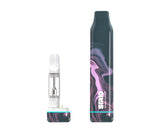
The main difference between a pen and a cart is that a pen is a standalone device capable of housing refillable or built-in chambers, while a cart is only part of the system and requires a separate 510-thread battery to function. This distinction affects portability, maintenance, customization, and overall user experience.
Design and Build
Pen Design
Vape pens are generally cylindrical and ergonomic, designed to be held comfortably in the hand or pocket. They vary in size, battery capacity, and chamber type. Refillable pens offer more control over oils and concentrates, while disposable pens provide convenience at the cost of long-term sustainability.
Cart Design
Carts are typically small, pre-filled, and attach to 510-thread batteries. Their compact form factor makes them easy to carry, and pre-filled options eliminate the need for messy refills. Materials often include glass, ceramic, and metal for durability and flavor preservation.
Build Quality Considerations
Pen devices often include heat-resistant materials and rechargeable batteries, providing long-term usability. High-quality cartridges ensure consistent vapor production and flavor fidelity. Both options prioritize ergonomic handling, but pens generally offer more robust construction due to their integrated battery and heating elements.
Performance and Vapor Quality
Vapor Production in Pens
Vape pens can produce dense clouds or subtle vapor depending on battery output, heating element, and e-liquid or concentrate viscosity. Adjustable voltage or temperature options allow users to customize hits for flavor or intensity.
Vapor Production in Carts
Carts rely on the connected 510-thread battery for power and vapor quality. Pre-filled carts are often calibrated for optimal performance with compatible batteries. Vapor tends to be consistent, smooth, and flavorful, especially with high-quality oils or concentrates.
Flavor and Consistency
Pen devices with refillable chambers allow precise control over oil or e-liquid choice, offering a wide range of flavors. Carts deliver consistent flavor as they are pre-filled, but the user has less flexibility to mix or modify contents. Both systems can provide excellent flavor when paired with quality concentrates.
Usage and Convenience
Using a Vape Pen
Vape pens are simple to use, often activated by a single button or draw-activated sensor. Users can refill chambers as needed and adjust settings for customized hits. Pens are generally larger than cartridges alone but provide integrated power and vapor control.
Using a Cart
Carts attach to compatible 510-thread batteries, creating a modular system. Users can carry multiple carts for flavor variety or strain rotation without needing additional devices. Activation is simple and typically involves pressing a button or inhaling to draw vapor.

Portability Considerations
Pens are compact and self-contained but may require charging, limiting portability for extended periods. Carts are extremely portable and allow users to swap flavors on the go, but a compatible battery is essential for operation.
Maintenance and Longevity
Maintaining Vape Pens
Proper maintenance involves cleaning the chamber, ensuring the heating element remains free of residue, and charging the battery correctly. Regular upkeep preserves flavor, vapor quality, and device longevity.
Maintaining Carts
Carts require minimal maintenance; users should ensure the battery connection points are clean to prevent weak hits. Pre-filled cartridges are disposable, reducing mess and cleanup but producing more waste.
Battery Care
For both systems, battery care is essential. Use certified chargers, avoid overcharging, and store devices in a cool, dry place. Proper care extends battery life and maintains reliable performance for pens and carts alike.
Safety Considerations
Vape Pen Safety
Vape pens use integrated batteries and heating elements, making it important to monitor for overheating. Users should follow manufacturer guidelines, avoid exposing the device to extreme temperatures, and never attempt to disassemble lithium-ion batteries.
Cart Safety
Carts are safe when paired with the correct 510-thread battery. Over-tightening cartridges can cause leaks or damage threads. Users should store carts properly and dispose of used cartridges through approved recycling channels.
General Precautions
Both pens and carts should be kept out of reach of children and pets. Users must avoid using damaged batteries or cartridges and follow safety instructions to prevent accidents.
Environmental Impact
Disposable Vape Pens
Disposable pens generate more waste due to integrated batteries and pre-filled chambers. Recycling programs are limited, but proper disposal is recommended to reduce environmental impact.
Cartridge Systems
Carts produce less device waste since only the cartridge is replaced while the battery remains in use. Reusing or recycling cartridges and batteries minimizes environmental footprint and promotes sustainable vaping practices.
Sustainable Practices
Choosing rechargeable pens or modular cartridge systems reduces waste. Proper battery and cartridge disposal in the USA ensures chemical components do not harm the environment.
Cost and Value
Vape Pen Costs
Pen devices may require higher initial investment for refillable models, but they allow long-term use with multiple refills, offering good value over time. Disposable pens are cheaper initially but may become more expensive with frequent replacements.
Cartridge Costs
Carts are often sold pre-filled and ready to use, with moderate per-unit cost. Modular systems allow flexibility in flavor and strain selection without purchasing multiple batteries, which can reduce long-term expenses.
Comparing Value
The choice between pen and cart often depends on lifestyle, usage frequency, and preference for convenience versus customization. Pens offer flexibility, while carts provide convenience and modularity.
Optimizing Your Vaping Experience
Customizing Vapor
Adjustable pens allow voltage or temperature tuning for tailored hits. High-quality cartridges paired with compatible batteries also provide excellent flavor and smooth vapor.
Cleaning and Maintenance
Regular maintenance ensures longevity, prevents residue buildup, and preserves flavor. Cleaning pen chambers or battery connection points is key to consistent performance.
Travel and Discreet Use
Cartridges are ideal for on-the-go use, allowing quick flavor swaps without extra devices. Pens are slightly bulkier but remain portable and self-contained for travel or social use.
Expert Tips
Investing in high-quality batteries, pens, and cartridges improves vapor quality. Store devices correctly, charge responsibly, and replace worn components to maintain optimal performance.
User Scenarios
Recreational Vaping
Recreational users benefit from pens for customization or carts for convenience. Both systems provide flavorful and smooth vapor in social settings.

Medical or Therapeutic Use
Medical users gain predictable dosing and reduced throat irritation from modular carts or controlled pen devices. Refillable pens allow precise oil measurement for therapeutic purposes.
On-the-Go Convenience
Travelers enjoy modular carts for quick swaps, while pens are self-contained and reliable for extended sessions without additional devices.
Choosing Between Pen and Cart
When selecting between pen vs cart, consider battery life, portability, customization, flavor preference, and convenience. Pens offer refillable flexibility and adjustable settings, while carts offer simplicity, modularity, and portability. Both systems are effective when paired with high-quality oils or concentrates and maintained properly. Users should evaluate their lifestyle and vaping priorities to make the best choice.
Conclusion
Understanding the differences between pen vs cart devices allows USA vapers to make informed choices about their vaping experience. Pens provide customizable, refillable options with integrated batteries and adjustable settings. Carts offer modular, pre-filled convenience and easy flavor swaps when paired with 510-thread batteries. Both options deliver smooth, flavorful vapor when maintained and used correctly. By considering portability, performance, maintenance, safety, and environmental impact, users can select the system that best fits their lifestyle and enjoy consistent, enjoyable vaping experiences.