










You must be 21+ years of age or older to view this site. If you are under 21 - you must leave.

Best 510 Battery Guide: Carts, Thick Oil & Troubleshooting
The Ultimate Guide to 510 Thread Batteries: Best Picks for Carts, Thick Oil, Charging & Troubleshooting
The 510 thread battery remains the undisputed standard across the vaping industry in the United States. Whether you are vaporizing live resin, thick distillate, live rosin, or standard liquid extracts, choosing the right power source determines your flavor quality, cloud density, and overall satisfaction. Different oil viscosities and cartridge capacities require tailored voltage settings, heating mechanisms, and internal battery capacities. Modern vapers require reliable hardware that seamlessly handles diverse cartridge sizes without burnt tastes, clogged airways, or dead batteries midway through the day.
At STRIO, design innovation and high-grade battery engineering merge to create market-leading vape hardware. From stealthy concealed designs to high-capacity variable voltage powerhouses, understanding how to select, power, charge, and maintain your device ensures a premium vaping lifestyle. This comprehensive guide covers everything you need to know about choosing the optimal 510 thread battery for thick oils, 2g tanks, and 1g cartridges, alongside step-by-step charging procedures and instant troubleshooting solutions.
What Makes a 510 Thread Battery Essential for Oil Vaping
The term 510 thread refers to the standard threading connection used on vape cartridges and devices, measuring ten 0.5 mm threads. This universal standard allows consumers to pair almost any pre-filled or refillable cartridge with any compatible battery base. However, not all 510 thread batteries perform equally when subjected to high-viscosity oils or high-capacity tanks.
The performance of your vape setup depends heavily on voltage control, battery capacity measured in milliamp hours, and draw mechanics. Lower voltage levels protect delicate terpenes and deliver pure flavor profiles, while higher voltage outputs provide the thermal output necessary to vaporize heavy, viscous concentrates. Premium devices from STRIO incorporate preheat functions and precise variable voltage features to guarantee smooth airflow and consistent vapor production.
Best 510 Battery for Thick Oil
Thick oil formulations such as uncut live resin, raw distillate, live rosin, and uncut delta extracts demand specialized heating dynamics. Standard low-voltage pen batteries often struggle to liquify dense oil, leading to dry hits, burnt coils, or zero vapor production. Using the best 510 battery for thick oil ensures proper heating without ruining the natural flavor compounds.
Why Viscosity Requires Specialized Heating
Viscous extracts move slowly through tiny intake holes inside glass or ceramic cartridges. When cold, thick oil stays solid near the walls of the tank rather than saturated inside the internal ceramic wick. If you fire a high-voltage current into a dry coil, the wick scorches instantly, ruining the entire cartridge. Therefore, an effective device for thick concentrates must feature an integrated preheat cycle.
A preheat function applies a low, gentle voltage for 10 to 15 seconds to warm the chamber gently. This process liquefies the oil surrounding the internal wick, allowing smooth saturation before full activation. Combined with variable voltage adjustments ranging from 2.8V to 4.0V, users can fine-tune their power output to match the specific consistency of their concentrate.
Top Features to Look for in a Thick Oil Battery
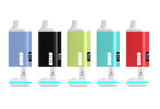
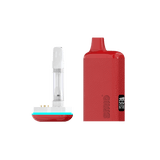
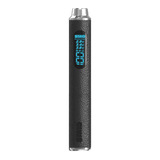
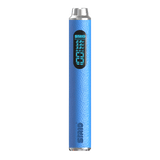
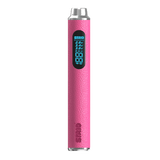
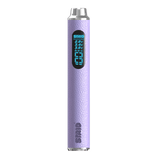
When shopping for hardware tailored to heavy extracts, prioritize robust internal battery capacity, precise voltage dials, and ceramic-coil compatibility. Devices like the STRIO Lit 510 Battery and STRIO Top Twist provide variable output control alongside rapid preheating technology. These features prevent clogging, eliminate burnt tastes, and unlock the full potency of dense concentrate formulas.
For maximum enjoyment with viscous extracts, browse the complete lineup of high-performance devices on the official STRIO 510 batteries collection page at https://strio.com/collections/510-batteries. Finding the perfect match guarantees consistent power and extended hardware durability.
Best 2g 510 Battery
The rise of extra-large 2g cartridges has transformed consumer preferences in the United States vape market. While 2g cartridges offer incredible convenience and long-lasting value, their larger physical dimensions and wider glass tanks create compatibility issues with standard, narrow stick batteries. Finding the best 2g 510 battery requires selecting hardware specifically designed to handle expanded tank diameters and heavy daily usage.
Managing Large Cartridge Dimensions and Airflow
A standard 1g cartridge typically features a narrow diameter, whereas 2g tanks feature wider glass oil chambers and bulkier bases. If you attempt to insert a 2g cartridge into a narrow concealed palm battery, the cart often gets stuck or fails to sit flush. Furthermore, large 2g cartridges hold double the oil volume, meaning the battery must endure hundreds of heating cycles on a single tank without degrading in performance.
The ideal device for 2g cartridges must accommodate wider cart diameters while maintaining structural protection against drops. Discreet box-style batteries and concealers are engineered with expanded inner chambers and magnetic quick-connect rings, keeping bulkier tanks fully enclosed and protected from physical damage.
Why Discretion and Capacity Matter for 2g Users
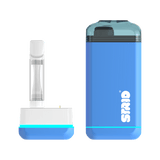
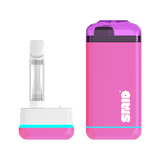
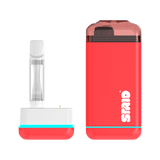
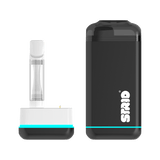
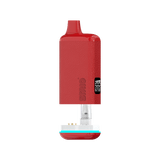
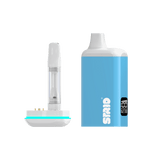
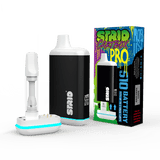
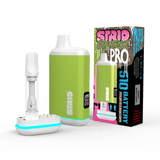
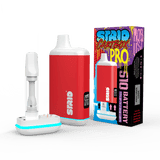
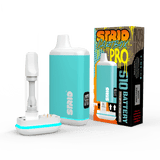
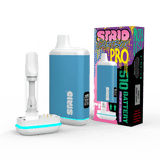
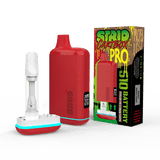
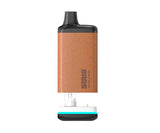
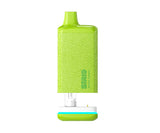
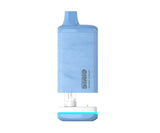
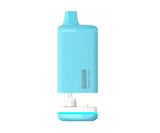
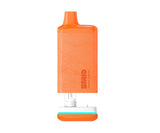
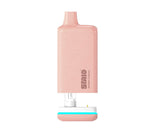
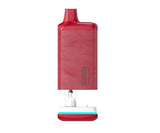
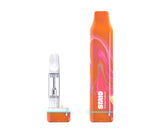
Because a 2g cartridge lasts significantly longer than smaller tanks, users frequently carry these setups throughout the day. Concealed hardware options like the STRIO Cartbox Pro line allow users to hide large 2g tanks completely inside a sleek, disposable-looking body. This innovative form factor protects fragile glass tanks from cracking inside pockets while providing absolute stealth in public environments.
Higher mAh battery ratings are essential when firing larger 2g setups. Batteries featuring 650mAh to 900mAh power reserves ensure that your device maintains stable voltage delivery from the first hit to the very last drop of oil. Explore the newest concealers and wide-bore devices on the STRIO homepage at https://strio.com/ to elevate your 2g cartridge experience.
Best 510 Battery for 1g Cartridges
Standard 1g cartridges remain the ultimate industry standard, offering a perfect balance between portable size, flavor freshness, and concentrate variety. Because 1g cartridges are compact and lightweight, they pair exceptionally well with minimalist pen batteries, stealth key fob designs, and ergonomic palm devices. Finding the best 510 battery for 1g cartridges comes down to pairing your personal lifestyle preferences with optimal flavor delivery.

Balancing Portability, Flavor, and Voltage Precision
Because 1g cartridges contain less total oil mass than 2g tanks, users often change strains more frequently. Different strains and extraction styles—such as live resin terpenes versus refined distillate—require distinct temperature zones to preserve delicate aromatic profiles. Utilizing a variable voltage battery allows you to drop down to 2.4V for pure terpene taste or dial up to 3.4V for rich, dense vapor clouds.
Form factor plays a massive role in selecting a 1g setup. Ultra-portable stick batteries offer intuitive simplicity for on-the-go sessions, while disguised concealed devices keep your glass cart hidden out of sight.
Premium Options for 1g Cartridge Enthusiasts
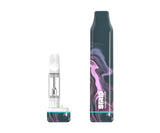
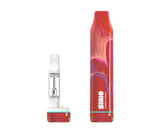
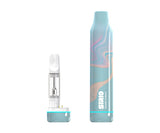
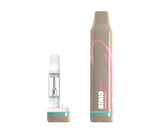
STRIO offers an extensive array of power units optimized specifically for 1g tanks. Sleek models such as the STRIO Original Cartboy offer seamless 1g cartridge concealment inside a modern frame, allowing you to vape incognito anywhere. Meanwhile, traditional variable voltage options give purists complete hands-on dial control over their vapor output.
Discover top-rated 1g battery options, sleek accessories, and cutting-edge designs by checking out the official STRIO 510 batteries collection at https://strio.com/collections/510-batteries.
How to Charge a 510 Battery
Knowing how to charge a 510 battery correctly is the single most important factor in maximizing battery lifespan, maintaining stable power output, and ensuring user safety. Improper charging habits—such as using high-amp fast chargers or leaving devices plugged in overnight—can permanently degrade lithium-ion cells or ruin internal chipsets. Following proper charging protocols keeps your device running efficiently for years.
Step-by-Step Charging Guide
Charging your vape battery requires only a few simple steps, but attention to detail makes a significant difference in cell longevity. Always inspect your charging hardware before plugging in your device.
First, disconnect your oil cartridge from the battery base. Leaving a cartridge attached during charging can cause heat transfer, thinning the oil and leading to leaks into the internal threads. Next, clean the 510 connection threads using a dry cotton swab to wipe away residual oil or lint build-up.
Second, attach the appropriate charging cable. Modern STRIO batteries utilize rapid USB-C charging ports or dedicated 510 screw-on USB adapters. Plug the USB cable into a low-voltage power source, such as a wall adapter rated at 5V/1A, a computer USB port, or a certified power bank. Avoid using fast-charging wall blocks designed for modern smartphones, as high amperage can overheat vape batteries.
Third, monitor the LED indicator light. Most 510 batteries display a solid red or blue light while actively charging. Once fully charged, the indicator light will turn green, pulse repeatedly, or shut off completely depending on the specific model. Unplug the charger immediately after the light indicates a full charge.
Crucial Battery Safety and Maintenance Tips
To keep your STRIO hardware performing like new, always store your device in a cool, dry place away from direct sunlight or freezing temperatures. Never leave a charging device unattended on flammable surfaces like beds or sofas. For premium replacement chargers, upgraded units, and complete device kits, visit the main store at https://strio.com/.
Why Is My 510 Battery Blinking
Experiencing an unexpected flashing LED light when trying to take a hit is one of the most common issues vapers encounter. Understanding why is my 510 battery blinking allows you to diagnose and fix the issue in seconds without throwing away a perfectly good device or oil cartridge. Modern vape devices use LED light codes as a safety mechanism to communicate internal status and errors.
Common Causes of a Blinking 510 Battery
A blinking light does not automatically mean your battery is broken. In most cases, the device is simply alerting you to a temporary connection or power issue. Here are the primary reasons your light is flashing:
-
Depleted Power Reserve: The most frequent cause of a blinking light is a fully drained battery cell. When internal voltage drops below the operational threshold, the LED flashes repeatedly to indicate that the device needs to be plugged into a charger.
-
Poor Thread Connection: If your battery blinks when you press the button with a cartridge attached, the internal metal pin in the battery is not making proper contact with the bottom plate of the cart. Over-tightening cartridges can push the center pin down too far, severing the electrical circuit.
-
Short Circuit Protection: If an internal wire in the cartridge coil is damaged or touching metal, the battery detects a short circuit and flashes to shut off power delivery, preventing thermal damage.
-
Over-Puff Cutoff Timer: Most smart batteries feature an 8 to 12 second auto-shutoff safety timer. If you hold down the firing button for longer than the maximum limit, the battery blinks and stops firing to prevent coil burnout.
How to Fix a Blinking Battery in Seconds
Resolving a flashing battery light is straightforward when you follow a logical troubleshooting sequence. Start by connecting your battery to a certified charger to confirm whether the device simply lacks power. If the light stays solid when charging, allow it to reach a full charge before testing again.
If the battery is fully charged but continues blinking when firing, unscrew the cartridge and inspect the threading. Dip a cotton swab in rubbing alcohol and gently clean any sticky oil residues off both the battery threads and the cartridge contact point. Allow the metal to dry completely.
Next, check the center contact pin located inside the 510 connection ring on the battery. Take a paperclip or small flat tool and gently pry the center pin upward by less than a millimeter. Screw your cartridge back on firmly, but avoid over-tightening. If the blinking persists, test the battery with a different 510 cartridge to confirm if the original cart has a short circuit.
If your battery requires replacement after extended use, explore the durable, high-grade hardware available at STRIO by visiting https://strio.com/.
How to Choose the Ideal Voltage for Your Cartridges
Selecting the correct voltage setting on your 510 thread battery dramatically impacts flavor, cloud volume, and cartridge life. Variable voltage devices allow users to fine-tune thermal output based on oil type and personal preference. Operating within the ideal voltage window prevents ruined coils and harsh throat hits.
Low Voltage Settings (2.0V – 2.8V)
Low voltage ranges are designed for terpene preservation and delicate live resin or live rosin extracts. Operating at these lower temperatures produces smooth, flavorful vapor without scorching delicate aromatic compounds. While vapor clouds are smaller at lower settings, the taste profile remains exceptionally clean.
Medium Voltage Settings (2.8V – 3.4V)
Medium voltage outputs represent the sweet spot for standard distillate cartridges and medium-viscosity oils. This range provides a perfect balance of robust vapor production, rich flavor, and satisfying throat hit. It offers enough heat to keep oil flowing efficiently while minimizing the risk of burnt wicks.
High Voltage Settings (3.4V – 4.0V+)
High voltage levels are reserved for extremely thick oils, raw unrefined concentrates, and users who prioritize massive vapor clouds. Higher heat liquifies dense concentrates rapidly, ensuring consistent vapor delivery on cold days. However, continuous high-voltage vaping burns through oil faster and can reduce overall flavor complexity.
Why STRIO Lead the Vape Hardware Industry
Selecting high-quality vape hardware ensures safety, reliability, and superior performance during every session. STRIO stands out across the United States vape market by engineering devices that combine high-end aesthetics with rugged internal construction. Every device is crafted to meet the strict demands of daily concentrate consumers.
Innovative Engineering and Stealth Designs
From fully concealed designs like the Cartboy and Cartbox series to versatile stick and twist models, STRIO hardware prioritizes discretion without compromising power. Integrated smart chipsets deliver short-circuit protection, over-charge defense, and automated preheating cycles, ensuring your cartridges perform flawlessly from start to finish.
Upgrade your personal setup today by visiting https://strio.com/ collections and exploring cutting-edge 510 thread technology designed for ultimate satisfaction.
Frequently Asked Questions
What voltage is best for thick oil cartridges?
The ideal setting for thick oil cartridges generally ranges between 2.8V and 3.4V, combined with a 10 to 15 second preheat cycle. The preheat cycle gently warms viscous oil surrounding the coil, ensuring smooth saturation and preventing dry hits.
How long does a 510 thread battery take to charge?
Most modern 510 thread batteries equipped with USB-C fast charging take approximately 45 to 90 minutes to reach a complete charge. Older models using micro-USB or screw-on 510 chargers may take up to 2 hours. Always unplug the device once the LED indicator light signals a full charge.
Can a 2g cartridge fit on any standard 510 pen battery?
While 2g cartridges feature standard 510 threading that screws onto stick batteries, they often overhang or feel top-heavy on slim pen models. Additionally, many concealed or drop-in palm batteries have narrow chambers that cannot accommodate the wider glass tank of a 2g cart. Using wide-chamber concealers or open-top devices like the STRIO Cartbox Pro ensures a perfect fit.
Why is my brand new 510 battery not working with my cart?
If a new battery fails to fire with a cartridge, the connection pin inside the 510 thread ring is likely sitting too low to touch the cartridge plate, or oil residue is blocking the electrical flow. Clean the contact points with rubbing alcohol and gently lift the center battery pin slightly using a small tool to restore full contact.
How long should a 510 vape battery last before needing replacement?
A premium 510 thread battery typically lasts between 300 to 500 charge cycles, which equates to 1 to 2 years of regular daily use depending on care and maintenance. Maintaining clean contact threads and using lower-amperage chargers helps maximize the total lifespan of the internal cell.